Observational
Plant-based vs Animal Protein: What the 2026 RCT Meta-analysis Actually Shows
Evidence:Cohort studies
Chris MassambaFunctional Nutritionist & Health Coach · Dip CNM · FMCHC1 June 2026Updated 9 June 20262 min readMedical disclaimer
Clinical context: which patients benefit
[CONTENT: 200-300 words. Describe the clinical presentations where this dietary approach is relevant. Who benefits, who should avoid it, contraindications.]
Dietary framework explanation
[CONTENT: 300-400 words. The principles, mechanisms, and rationale behind this dietary approach.]
Food list by category
[CONTENT: 200-300 words. Structured food recommendations by category (proteins, fats, carbohydrates, specific therapeutic foods).]
[IMAGE PLACEHOLDER: Shopping list infographic -- categorised food recommendations]
Meal planning template
[CONTENT: 200-300 words. Practical meal planning guidance -- breakfast, lunch, dinner, snacks. UK-accessible foods and portion guidance.]
Supplementation considerations
[CONTENT: 150-200 words. Supplements that support this dietary approach, when they are needed, and evidence for their use.]
Monitoring biomarkers
[CONTENT: 100-150 words. Which biomarkers to track to assess whether the diet is working.]
Common pitfalls and troubleshooting
[CONTENT: 150-200 words. What goes wrong, how to course-correct, common patient questions.]
References
- [1]0 ‘[REFERENCE PLACEHOLDER]’
- [2]0 ‘[REFERENCE PLACEHOLDER]’
- [3]0 ‘[REFERENCE PLACEHOLDER]’
- [4]0 ‘[REFERENCE PLACEHOLDER]’
- [5]0 ‘[REFERENCE PLACEHOLDER]’
- [6]0 ‘[REFERENCE PLACEHOLDER]’
- [7]0 ‘[REFERENCE PLACEHOLDER]’
- [8]0 ‘[REFERENCE PLACEHOLDER]’
Written by

Chris Massamba
Functional Nutritionist & Health Coach · Dip CNM · FMCHC
Medical disclaimer: The content in this article is for informational purposes only and does not constitute medical advice, diagnosis, or treatment. Always consult a qualified healthcare professional before making any changes to your health regimen. Individual results may vary. If you are experiencing a medical emergency, please contact 999 immediately.
Related Articles
Observational
Case Study: Long COVID Fatigue in a 35-Year-Old Man — Mitochondrial Restoration Protocol with 12-Week Follow-Up Using the Functional Health Matrix
Educational composite — not a single patient. This case study is an illustrative composite of a 35-year-old man with deb...
EPINUTRI Editorial Team5 Jun 202631 min
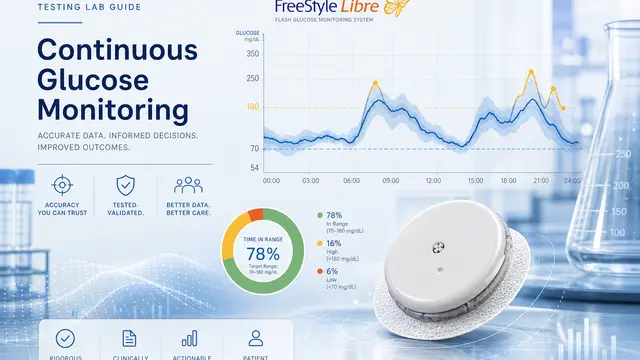
RCT
CGM in Functional Practice: When Continuous Glucose Monitoring Adds Clinical Value
When to order CGM -- and when not to CGM technology has moved rapidly from specialist diabetes clinics into direct-to-co...
Chris Massamba30 May 202632 min